
How to Define Pipeline System Limits in an Integrated Upstream–Downstream Environment
Defining pipeline system limits is one of the most underestimated steps in pipeline integrity management. In integrated upstream–downstream environments, pipelines rarely operate as isolated assets. They are connected to wells, processing facilities, platforms, storage systems, and utilities (often managed by different teams or even different entities).
Poorly defined system limits are a recurring root cause of integrity gaps, missed inspection scopes, unclear responsibilities, and inconsistent operating practices. This article explains how pipeline system limits should be defined and why this definition is fundamental to effective integrity management.
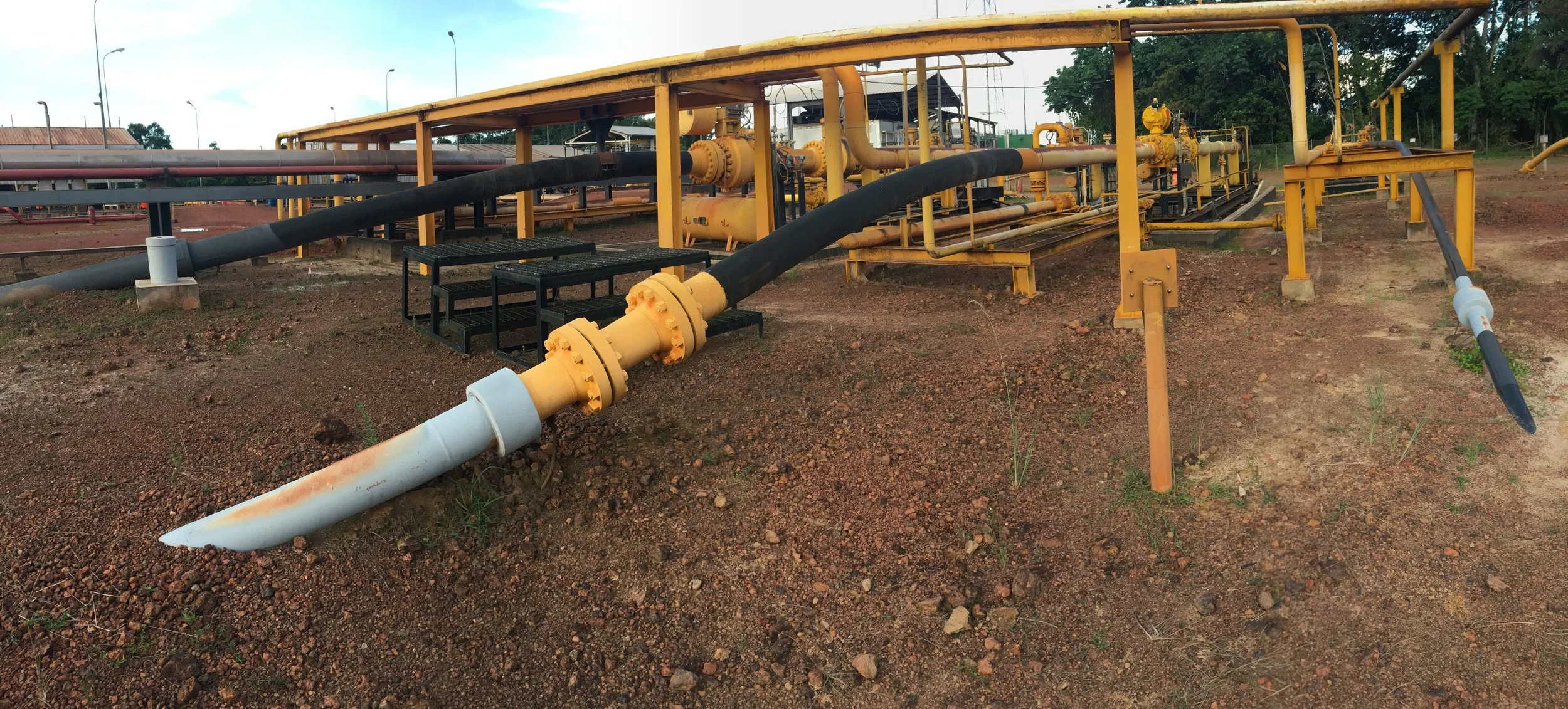
Pipeline station
What are pipeline system limits?
Pipeline system limits define the physical and functional boundaries of the system covered by an integrity management process.
From an integrity perspective, system limits must extend:
from the source of pressure (e.g. well, pump, compressor),
through all pipeline segments and appurtenances,
to the point of discharge, isolation, or pressure relief.
System limits are not administrative boundaries. They are engineering boundaries.
Why system limits are critical for integrity management
Integrity threats do not respect organizational charts. Corrosion, erosion, overpressure, and operational upsets propagate through interfaces.
When system limits are poorly defined:
inspection scopes become fragmented,
some sections fall outside any integrity program,
assumptions made upstream are invalidated downstream.
Many integrity failures originate at interfaces where “ownership” is unclear.
Integrated facilities amplify boundary risks
In integrated environments, pipelines interface with:
wellheads and manifolds (upstream),
separators, compressors, and platforms,
storage tanks and downstream processing units.
Each interface introduces potential integrity threats:
changes in fluid composition,
temperature and pressure transients,
flow regime instability,
maintenance or operational practices outside pipeline control.
Integrity management must therefore consider the entire system, not isolated pipeline segments.
System limits must include appurtenances and interfaces
A frequent mistake is limiting integrity scope to the “pipe only”. From an integrity standpoint, system limits must also include:
pig traps and launchers/receivers,
valves and actuators,
tie-ins, reducers, and dead legs,
corrosion monitoring and injection points.
These components often experience higher degradation rates than straight pipe sections and are frequent failure locations.
Avoiding integrity gaps at organizational interfaces
When different teams manage upstream facilities, pipelines, and downstream assets, integrity gaps commonly appear at handover points.
Clear system limit definition allows:
unambiguous assignment of integrity responsibilities,
consistent inspection and monitoring strategies,
coherent Management of Change (MOC) across interfaces.
Without this clarity, integrity management becomes reactive and fragmented.
How international standards address system limits
A limited number of international standards explicitly emphasize the importance of defining system limits in integrity management.
API RP 1160 requires operators to clearly define the scope of the pipeline system covered by integrity management, including interfaces and associated facilities.
DNV-RP-F116 stresses that integrity management must consider the full pipeline system, including connections and boundary conditions, particularly in complex or offshore environments.
ISO 55001 (Asset Management) reinforces the need to define asset boundaries to ensure coherent risk management and accountability.
These standards consistently treat system limits as a prerequisite for effective integrity governance, not as a formality.
Practical guidance for defining system limits
In practice, defining system limits should involve:
multidisciplinary workshops (engineering, operations, maintenance),
review of P&IDs, PFDs, and operating envelopes,
identification of all pressure sources and isolation points,
documentation of interfaces and responsibilities.
System limits should be formally documented and reviewed whenever operating conditions or facility configurations change.
Implications for pipeline integrity management
Clearly defined system limits enable:
complete integrity threat identification,
consistent inspection and monitoring coverage,
effective risk-based decision-making,
robust Management of Change processes.
Conversely, poorly defined limits almost guarantee blind spots in integrity programs.
Conclusion
Pipeline integrity management starts with defining what the system actually is. In integrated upstream–downstream environments, this step is neither trivial nor optional.
Pipelines fail not because integrity tools are missing, but because the system under management was never clearly defined.
Defining pipeline system limits is therefore one of the most effective (and least costly) integrity improvements an operator can make.